
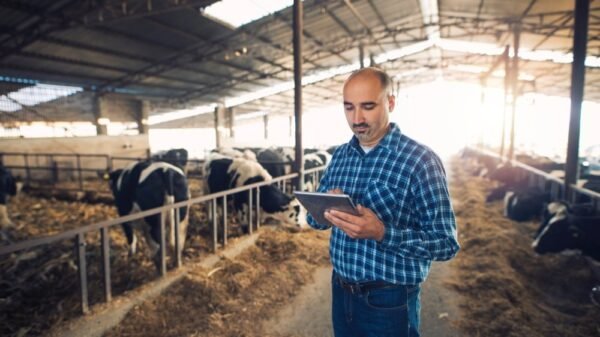
Introduction: The Shifting Landscape of Livestock Consumers in India
The livestock industry in India is evolving rapidly, driven by changing consumer preferences, technological advancements, and policy interventions. Farmers, dairy businesses, meat processors, and feed manufacturers are not just producers but also consumers of livestock-related products, services, and financial solutions.
The demand for high-quality meat, dairy, and poultry products is rising, but so are the challenges. Fluctuating feed prices, supply chain disruptions, and increasing financial risks have made it crucial for livestock consumers—including farmers, traders, and businesses—to adapt to emerging trends.
This blog explores consumer trends in India’s livestock sector, the financial opportunities available, and the threats that could impact sustainability and profitability.
Trends Shaping Livestock Consumers in India
1️⃣ Shift Towards Organized & Commercial Farming
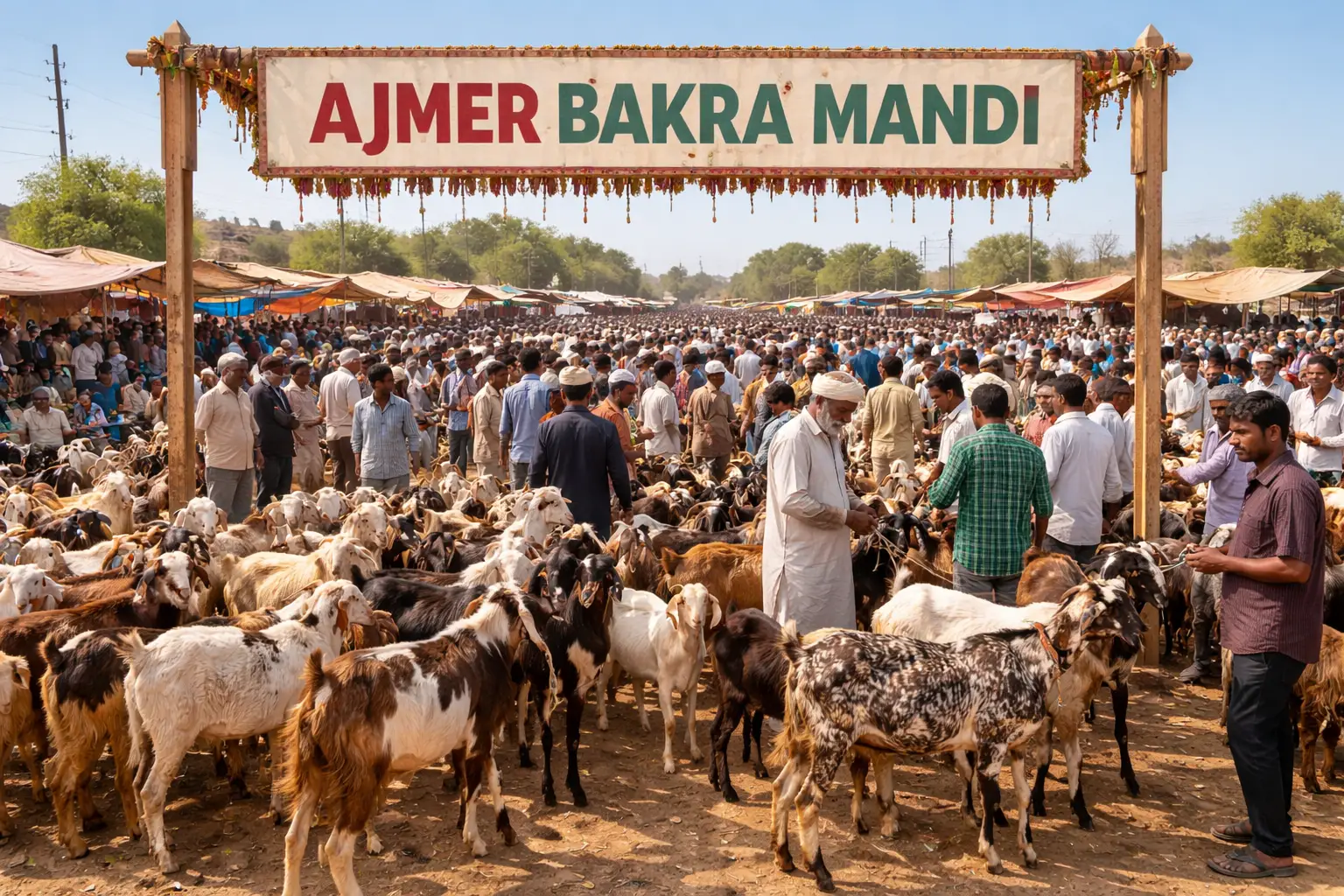
- Traditional backyard livestock farming is giving way to commercial-scale operations.
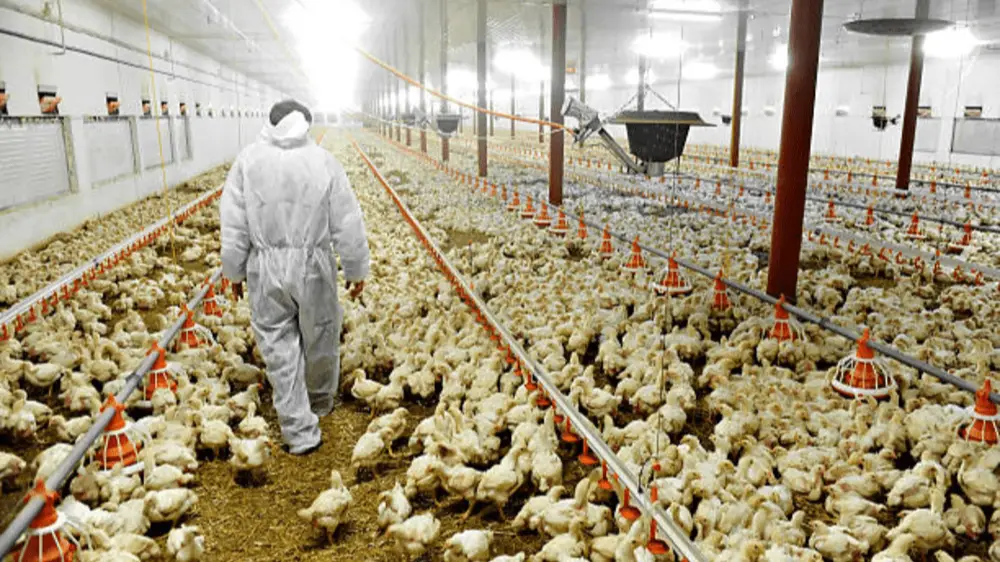
- Dairy farms, poultry units, and goat/sheep farming enterprises are investing in advanced breeding, feed solutions, and technology.
- Growing preference for high-yield breeds, AI-based breeding solutions, and veterinary healthcare.
Why it Matters: Commercialization means *higher investment requirements, better productivity, but also financial risks if input costs surge.
2️⃣ Digital & Data-Driven Decision Making
- Farmers and businesses are using digital tools for livestock management, breeding optimization, and disease prevention.
- E-commerce platforms and online marketplaces are becoming key channels for sourcing livestock, feed, and medicines.
- AI-driven price forecasting tools help traders and dairy businesses get better market insights.
Why it Matters: Livestock consumers who embrace digital platforms can increase efficiency and profits, while those stuck in traditional methods may face competitive disadvantages.
3️⃣ Rise of Processed & Value-Added Products
- Demand for value-added dairy products (cheese, yogurt, paneer), organic meat, and premium poultry is rising among urban consumers.
- Quality-conscious buyers are driving the need for better livestock nutrition, disease control, and traceability.
- Export potential for processed meat, seafood, and dairy is attracting investments in high-quality breeding and feeding practices.
Why it Matters: Livestock businesses that invest in quality and processing can access higher-margin markets and export opportunities.
4️⃣ Sustainable & Organic Farming Practices Gaining Popularity
- Consumers are shifting towards organic milk, antibiotic-free meat, and chemical-free poultry.
- Livestock farmers are adopting eco-friendly feed options and waste management solutions.
- Fisheries and aquaculture businesses are investing in sustainable breeding and disease-resistant species.
Why it Matters: Farmers and businesses must adapt to sustainability trends or risk losing premium-conscious consumers.
Financial Opportunities for Livestock Consumers in India
With India’s livestock sector valued at over ₹400 billion, there are huge financial opportunities for farmers, traders, and businesses.
1️⃣ Livestock Financing & Credit Schemes
- Government-backed financing options (PM Kisan Samman Nidhi, KCC for Animal Husbandry, NABARD subsidies) provide low-interest credit for livestock farmers.
- Private agri-fintech startups are offering instant livestock loans based on farm productivity.
- Dairy & poultry farms are increasingly securing financing for high-yield breed procurement and feedstock purchases.
Opportunity: Leveraging financial schemes can help farmers expand their operations without liquidity constraints.
2️⃣ Livestock Insurance & Risk Management
- Dairy farmers, poultry owners, and aquaculture businesses are now opting for livestock insurance to cover losses due to disease, natural disasters, or accidents.
- Microinsurance models for small-scale livestock farmers are gaining traction.
- New tech-driven insurance solutions use IoT devices & farm data to assess risks better.
Opportunity: Insuring livestock assets is becoming a must for financial security.
3️⃣ Investment in High-Value Livestock & Niche Farming
- Organic poultry, premium sheep/goat breeds, and exotic aquaculture species (like shrimp farming) offer higher returns.
- Demand for imported high-yield breeds (like Boer goats, Kadaknath chicken, and Murrah buffalo) is increasing.
- Livestock farmers investing in value-added segments (meat processing, export-focused dairy products) are witnessing strong financial growth.
Opportunity: Diversifying into high-value breeds and niche farming can drive significant profits.
4️⃣ Government Grants & Subsidies for Modernizing Farms
- Schemes like the Rashtriya Gokul Mission, National Livestock Mission (NLM), and Blue Revolution (for fisheries) provide funding for infrastructure development.
- Cold storage, processing units, and farm automation attract grants to improve productivity.
- Dairy startups and meat processing plants are securing FDI-backed investments.
Opportunity: Using government support to modernize farms can help farmers scale operations while reducing costs.
⚠️ Threats & Challenges to Watch Out For
While opportunities are growing, livestock consumers face some major challenges that could impact sustainability.
1️⃣ Rising Feed Costs & Supply Chain Disruptions
- Feed costs account for 60-70% of livestock farming expenses, and price fluctuations impact profitability.
- Disruptions in maize, soybean, and fishmeal supply chains affect livestock health & production.
- Sustainable & alternative feed sources (insect protein, hydroponic fodder) are still underdeveloped in India.
Risk: Farmers relying on traditional feed sources may struggle with high costs.
2️⃣ Disease Outbreaks & Biosecurity Risks
- Poultry farms face recurrent challenges from bird flu outbreaks.
- Aquaculture businesses risk losses due to viral infections in shrimp and fish farms.
- Lack of biosecurity measures in traditional farms increases mortality rates.
Risk: Livestock businesses without proper disease control strategies may suffer heavy financial losses.
3️⃣ Climate Change & Extreme Weather Impacting Livestock Productivity
- Heat stress in dairy animals reduces milk production by up to 30% in peak summer months.
- Unpredictable monsoons affect fodder production and livestock health.
- Floods and droughts disrupt animal breeding cycles and feed availability.
Risk: Livestock farms must adopt climate-resilient breeding and feeding techniques.
Conclusion: The Way Forward for India’s Livestock Consumers
India’s livestock industry is at a turning point—those who embrace financial opportunities and digital advancements will thrive, while those stuck in traditional practices may struggle to compete.
✅ Farmers & businesses should invest in digital solutions for livestock management, market intelligence, and online trade.
✅ Accessing financial tools like credit, insurance, and subsidies will be key to expansion.
✅ Adopting sustainable, climate-smart practices will ensure long-term profitability.
The future of livestock trade is changing. Are you ready to adapt?